Heart Health

February is Heart Health Month

Keeping your heart healthy includes maintaining a balanced diet, staying physically active, stopping smoking, limiting alcohol intake, and managing stress.

It’s also important to know your numbers such as blood pressure, cholesterol, blood sugar levels, and body weight as many heart conditions develop without obvious symptoms. Be aware of warning signs like chest pain, shortness of breath, palpitations, dizziness, or unexplained fatigue, and seek medical advice if you notice any concerning changes.

Small, consistent lifestyle changes can make a big difference, and your GP practice is here to support you with checks, advice, and treatment to help keep your heart healthy
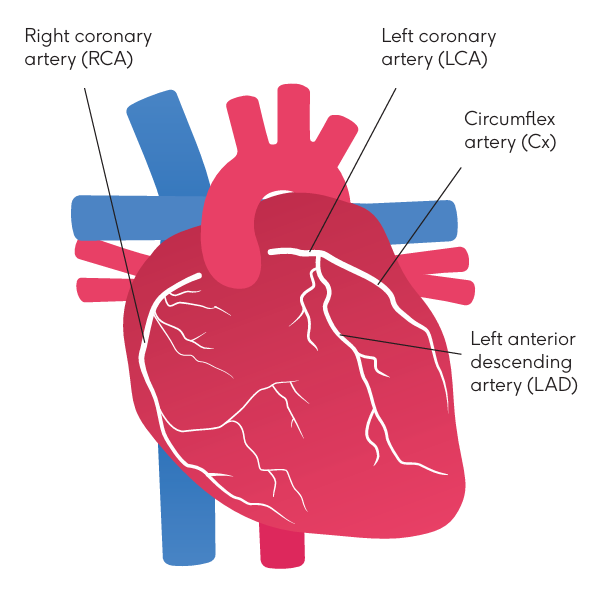
What is Coronary Heart Disease?

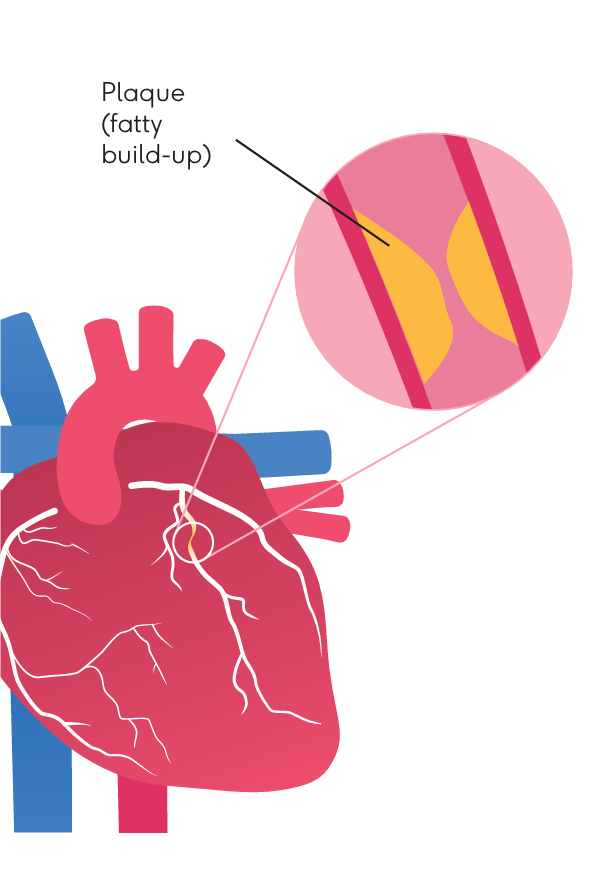
Coronary Heart Disease (CHD) is when the blood supply to the heart is reduced or blocked because of a build-up of fatty material inside your coronary arteries.

Having coronary heart disease increases the chances of other heart and circulatory conditions such as: 

  • Heart attack
  • Stroke
  • Abnormal heart shythms 
  • Heart failure 

But coronary heart disease can be treated and managed so you can live well and reduce your risk of a heart attack, stroke or other conditions. 

Coronary arteries diagram
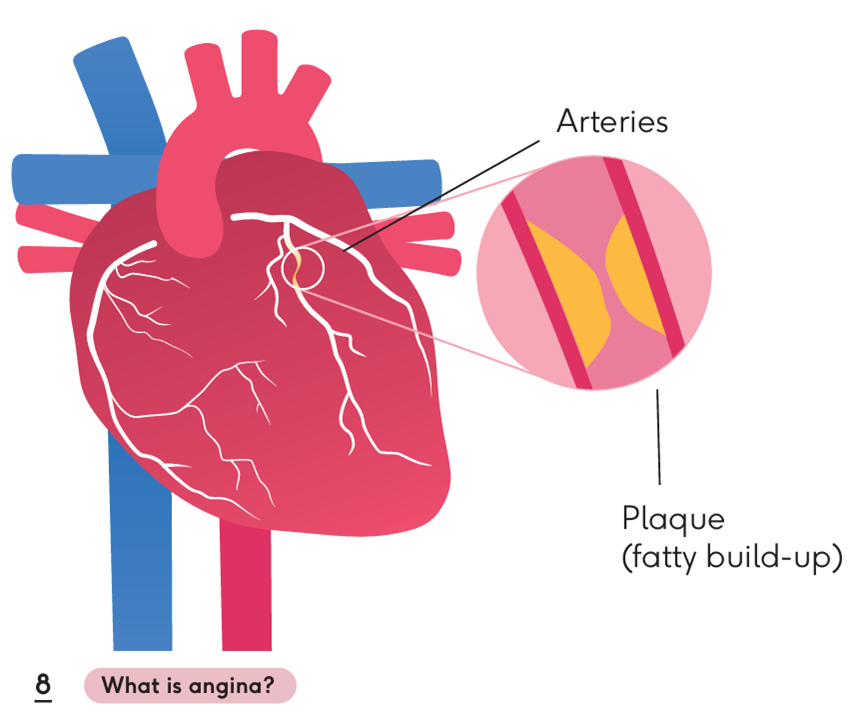
Heart diagram

What is Angina?

Angina is the name for chest pain or an uncomfortable feeling that happens when blood flow to your heart muscle is reduced. Angina is known as a symptoms because it can be a sign of a heart problem like coronary artery disease.

The most common cause of angina is coronary heart disease (CHD). This is when the arteries that supply your heart muscle with blood and oxygen are narrowed by a fatty substance called plaque (atheroma). 

What changes can I make?

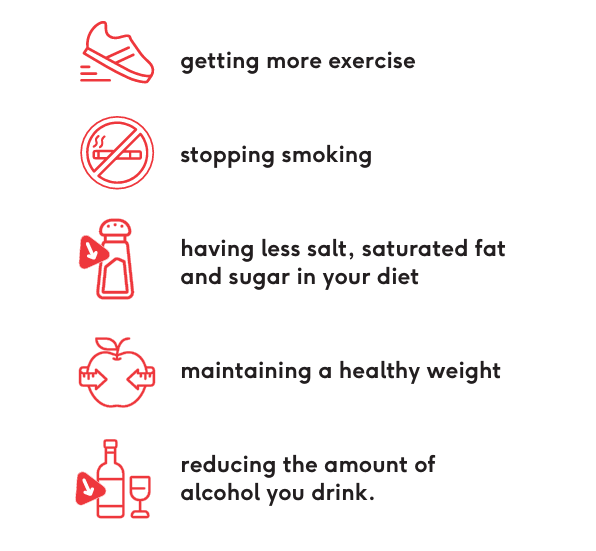
If you’ve been diagnosed with coronary heart disease, your doctor will recommend making some lifestyle changes.

These changes can help you look after your heart health and reduce your risk of a heart attack or other heart conditions in the future. 

It can feel overwhelming to think about changes to your daily life. But you can  make small swaps over time to build up healthier habits.

Eating more fruit and vegetables and  cutting back on food and drink that’s high in saturated fat, sugar and salt can help  you to manage coronary heart disease.

Lifestyle changes List

What is blood pressure?

Your heart pumps blood around your body to deliver oxygen and nutrients to your organs. Blood travels around your body through your arteries.

Your blood pressure (or BP) is the amount of pressure inside your arteries. This pressure helps your heart to pump blood. You need some pressure to keep your blood 
moving. It’s normal for it to go up or down throughout the day and while moving. 

Artery diagram

High blood pressure

High blood pressure causes your heart to work harder to pump blood around your body. The medical term for this is hypertension. 

If you have high blood pressure, your arteries lose their stretchiness and become stiff or narrow. This makes it easier for fatty material to block them up. If the arteries that carry blood to your heart get blocked it can lead to a heart attack or if this happens in your brain it can lead to a stroke.

Check your Blood Pressure!

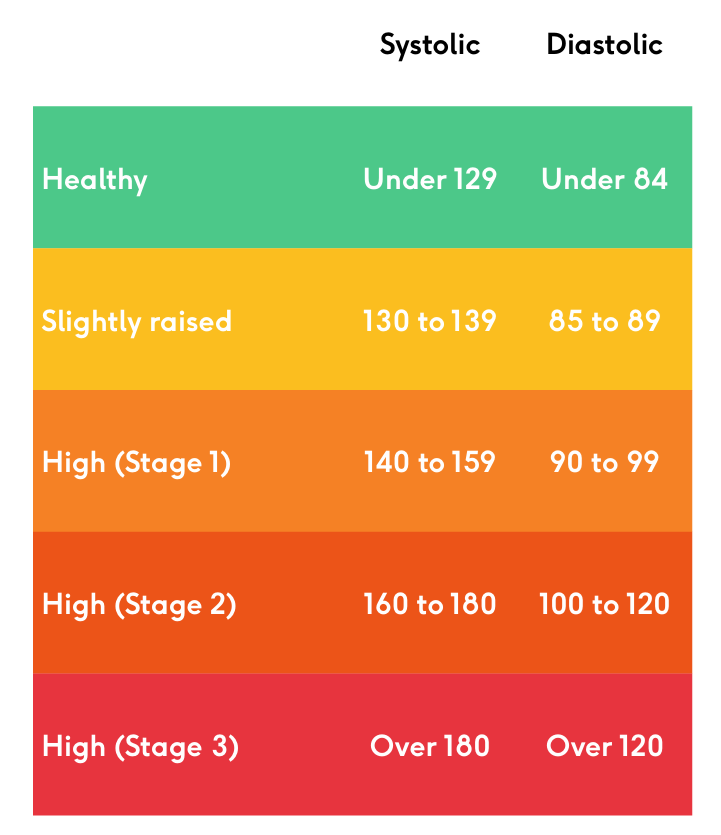
When you have your blood pressure measured, your reading is written as two numbers.

  • Systolic pressure is when the pressure is at its highest, when your heart pushes blood out.
  • Diastolic pressure is when the pressure is at its lowest, when your heart rests between beats. 

What should my blood pressure be?
If you’re under 80 years old, your blood pressure should usually be:

  • Below 140/90 mmHg when checked by a healthcare professional and below 135/85 mmHg when checked at home.

If you’re over 80 years old, your blood pressure should usually be:

  • Below 150/90 mmHg when checked by a healthcare professional and below 145/85 mmHg when checked at home.

Blood pressure chart

British Heart Foundation

The British Heart Foundation has some excellent resources on their website, please find below a link to their information leaflets: 

BHF Booklets - Click here

Page last reviewed: 05 February 2026
Page created: 27 January 2026